
Most organisations still track employee skills in spreadsheets and disconnected systems. Here’s what changes when you centralise skills data, and how FlexiSolutions built a live Skills Management Platform to solve it.
Most organisations know they have a skills problem. Very few can actually see it clearly.
Skills data still lives in spreadsheets, personal files, outdated HR systems, and the memory of individual managers. When leadership asks basic questions, such as “Do we have the skills we need for the next 18 months?” or “Where are our biggest gaps?”, the answers usually require manual chasing, multiple versions of the truth, and a heavy dose of guesswork.
This is not a minor administrative issue. Research shows that only around 8 to 10% of organisations have reliable, up-to-date skills data across their workforce. At the same time, 63% of employers now rank skills gaps as the single biggest barrier to business transformation.
When you cannot see the skills you already have, you hire externally for capabilities that may already exist inside the company. You train the wrong people. You struggle to plan. And strategic workforce decisions are made with incomplete information. It is a specific instance of the broader problem we explored in Why Most Business Software Forces Your Teams to Work Around It.

When skills data is scattered, even simple workforce questions turn into guesswork.
Without a single, trusted view of workforce capabilities, organisations typically face:
Many companies still rely on spreadsheets as their primary tool for skills tracking and workforce planning. The result is slow gap analysis, outdated information, and limited confidence in the numbers.

Spreadsheets can hold data, but they cannot give you a trusted, real-time view of your workforce.
FlexiSolutions developed a Skills Management Platform using the Microsoft Power Platform to solve exactly this problem.
The platform brings employee skills, competencies, certifications and development data into one unified system. Instead of scattered spreadsheets and disconnected processes, organisations gain:
Real-time visibility into workforce capabilities
Automated skills gap analysis
Clear dashboards and reporting
Better support for resource planning and allocation
A foundation for strategic workforce development
Built with Power Apps, Power Automate and Power BI, the solution replaces fragmented manual work with a structured, intelligent environment.
Skills data in spreadsheets and multiple systems
Centralised platform
Limited visibility
Real-time analytics
Manual reporting
Automated dashboards
Reactive planning
Strategic workforce insights
Organisations using this approach have seen significant operational improvements, including:
40%
Faster skills gap analysis
85%
Time saved on reporting
3x
Better planning accuracy
100%
Data visibility across the workforce

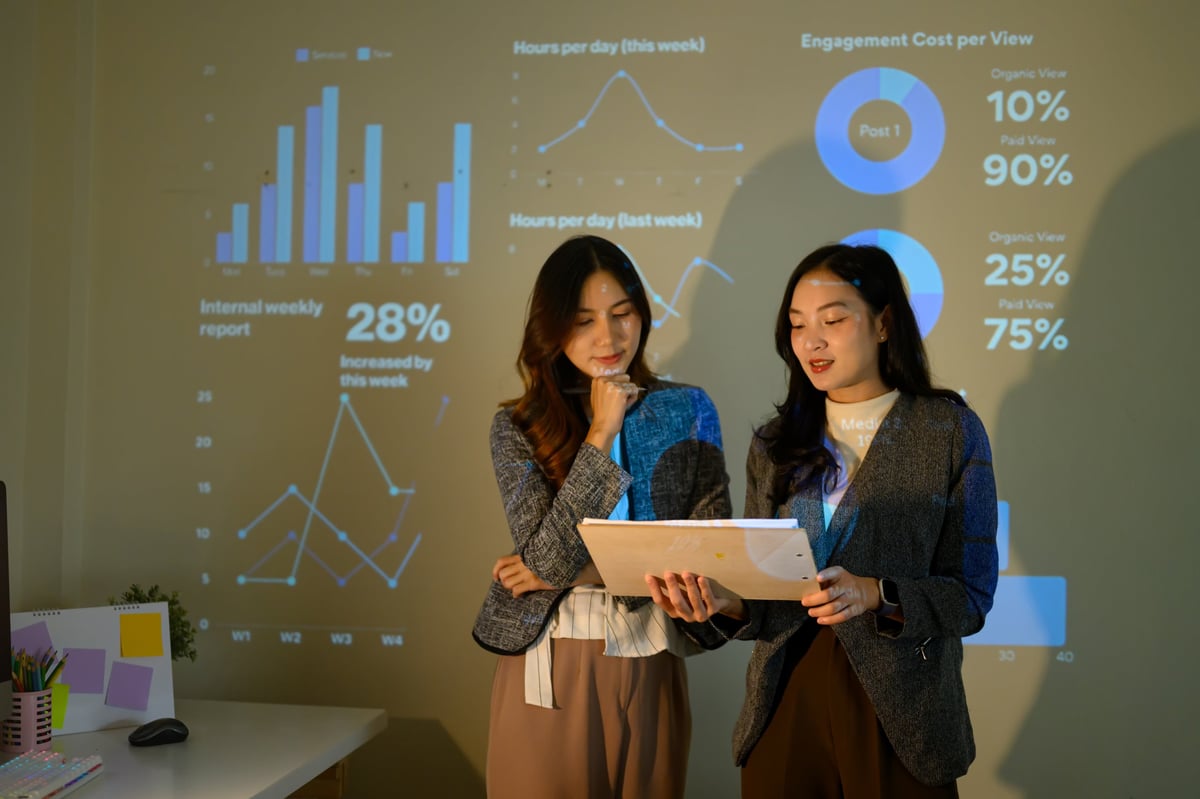
Centralised data turns scattered information into dashboards leadership can actually act on.
With reliable skills data in one place, leadership can finally align talent strategy with business objectives. HR and managers can track growth, certifications and career progression with far less administrative effort. Trends become visible early, and gaps can be addressed before they become critical.
This is the difference between reacting to skills shortages and actively shaping the workforce the organisation needs.
You can explore a live version of the Skills Management Platform below.

The live demo shows how a custom application built on Microsoft Power Platform delivers visibility and control.
When skills data moves from scattered spreadsheets into one intelligent platform, workforce planning stops being guesswork and starts becoming a genuine strategic advantage.
If your organisation is still piecing together skills information from multiple sources, it may be time to consider a more structured approach. The same thinking applies to project and commercial oversight, as we explored in How a Commercial Operations Platform Turns Scattered Spreadsheets into Real-Time Control.


Learn more about how FlexiSolutions designs custom business applications that turn fragmented data into strategic advantage.