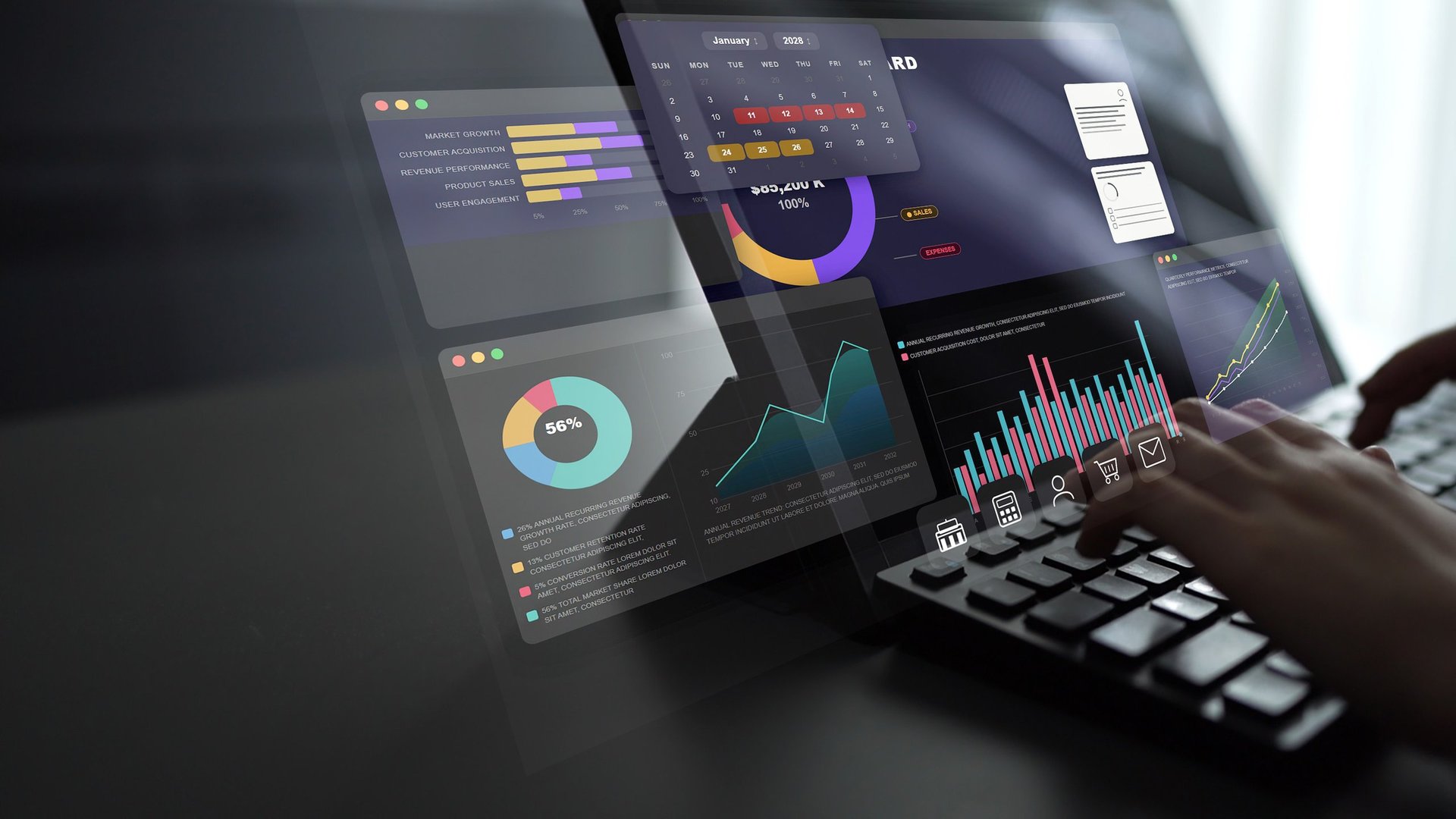
Most organisations still track projects across spreadsheets, Teams, emails and PowerPoints. Here is the real cost of that fragmentation and how a properly designed project environment changes everything.
“Where do we stand on the projects?”
It is one of the simplest questions a leader can ask. And in many organisations, it is still one of the hardest to answer cleanly.
Someone checks a spreadsheet. Someone else looks in Teams. A third person digs through last week’s PowerPoint. A fourth person says the latest update is probably in an email thread.
By the time the full picture emerges, the information is already partially outdated.
This is not a people problem. It is a systems problem.
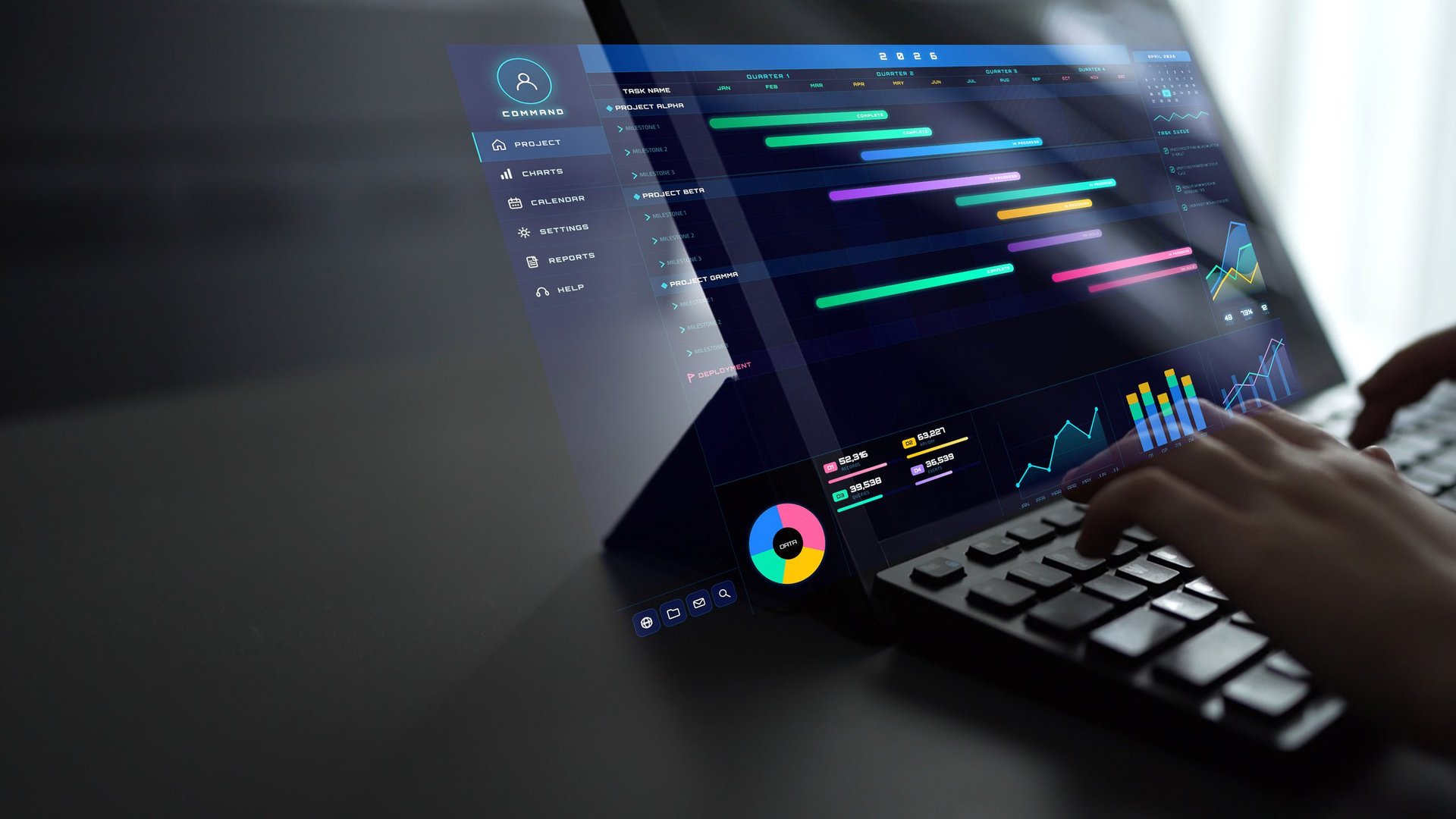
When status lives in five places, assembling the picture becomes a job in itself.
When project data is scattered, the organisation pays in ways that rarely appear as a single line item.
Teams spend time chasing status instead of moving work forward.
Ownership becomes unclear.
Deadlines slip without early warning.
Leaders make decisions with incomplete information.
Reporting turns into a manual, time-consuming exercise.
35 to 38%
of projects completed successfully on time and within budget in many studies
1 day
per week often spent by resource managers just compiling reports
8 weeks
per year lost in some sectors searching for project information
A significant portion of project failure traces back to poor visibility, weak coordination, and the absence of a single reliable view of the work.
The spreadsheet is not free. It just hides the cost.
Many organisations respond by buying another project management tool. The result is often another system that sits alongside the spreadsheets, Teams channels and email chains rather than replacing the fragmentation.
The real requirement is not more features. It is one environment that holds the core project information, while still giving different teams the experience they actually need.
What needs doing, who owns it, and when it is due.
Milestones, dependencies, risks and planning.
Portfolio progress, priorities and clear reporting.
One source of information. Different views designed for the people using it.
When project information lives in one properly designed environment.

Status stops being something people have to reconstruct. It becomes something the system already knows.
We have built a working demonstration of what this can look like in practice. This is not a generic off-the-shelf product. It is an example of a custom business application designed around how an organisation actually needs to manage ownership, progress, priorities and reporting.

One environment for ownership, progress, priorities and reporting.
The closest live demo currently available on the FlexiSolutions site that demonstrates centralised project and commercial operations visibility.
View the Live DemoThe better question is: what does our organisation need its project system to do, and does our current setup actually deliver that?
If the honest answer still involves checking five different places, the system is costing more than most leaders realise.
Learn more about how FlexiSolutions designs custom business applications that turn fragmented project information into a single, reliable view of the work.